
The Wholehearted Journal
This space is an extension of the care I offer in my practice — calm, compassionate, and grounded in connection. Here you’ll find gentle guidance, evidence-based education, and honest conversations about feeding, postpartum life, and the tender seasons of motherhood—sometimes with a little added humor.
My hope is that each post helps you feel a little more informed, a little more confident, and a lot less alone. Take what resonates, leave what doesn’t, and trust that your intuition matters here.
You are doing better than you think — and you’re supported, wholeheartedly
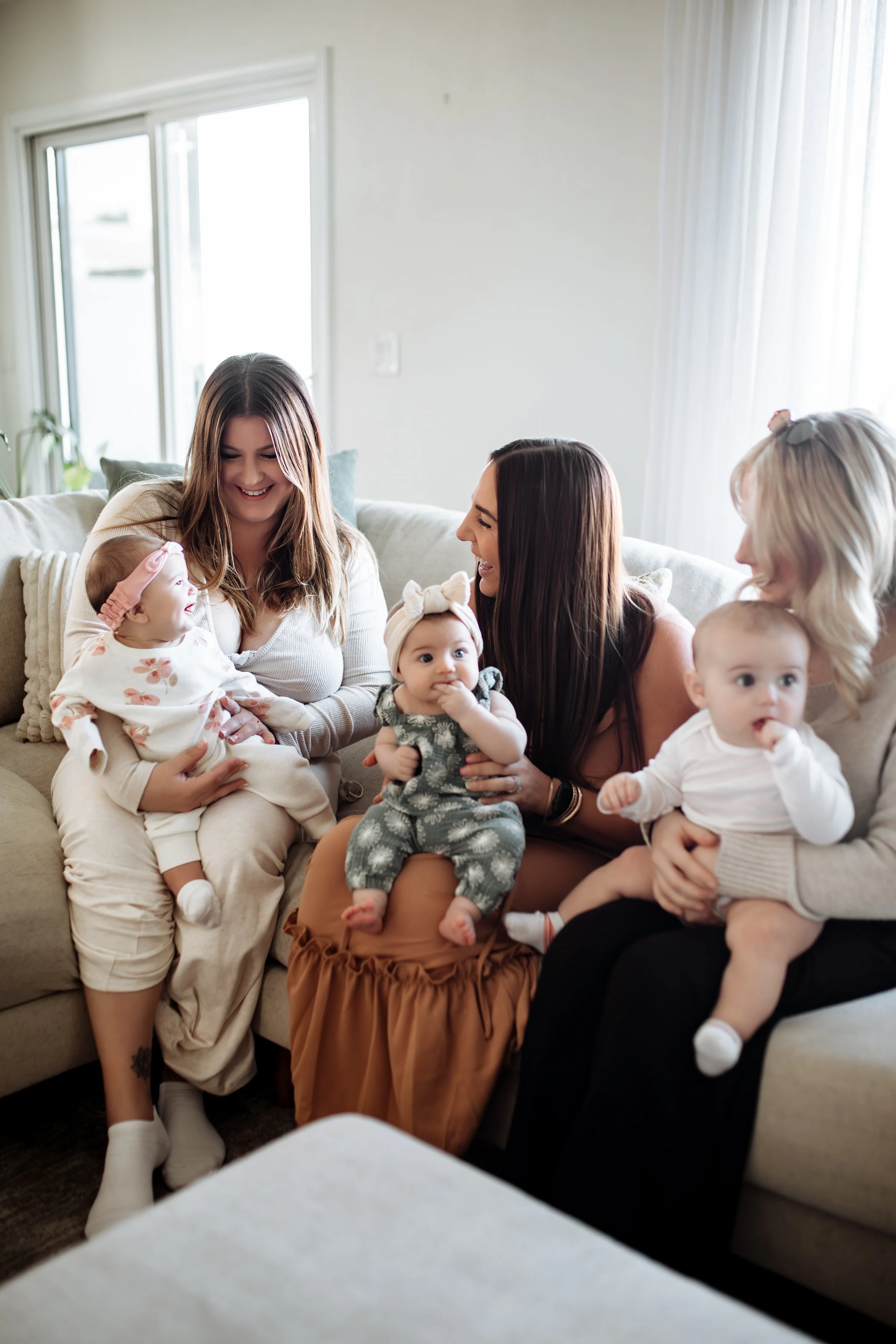
Where's This Village Everyone Keeps Talking About?
Before becoming a mom, I heard it all the time:
"It takes a village."
And then I became a mother and thought:
"Okay... but where exactly do I pick one up?"
Is there a sign-up sheet? A secret Facebook group? Do they get assigned at the hospital when you leave with your baby?
Because for many mothers, especially in the early postpartum months, the village feels more like a mythical creature than a reality.
The truth is, building community in motherhood can be surprisingly hard.
Not because you're doing anything wrong.
Not because you're not friendly.
But because you're trying to make meaningful connections during a season when you're running on fragmented sleep, wearing the same shirt with spit-up on the shoulder for the third day in a row, debating whether dry shampoo counts as a shower, and carrying a tiny human who seems personally offended every time you attempt to put them down.

The Second Night: When Your Newborn Gets the Memo
You made it through birth.
You fed your baby. Changed approximately 47 diapers. Maybe even managed a shower.
And then, sometime around 9 p.m., your sweet, sleepy newborn decides:
“Actually… I would like to be held. Forever.”
Welcome to the second night.
If no one has warned you about it, the second night can catch you completely off guard. Baby may suddenly want to nurse constantly, wake every time you put them down, cry more, and seem like a completely different baby than the sleepy little newborn you met yesterday.
Take a breath.
This can be very normal.

Dad, You're Not "Helping."You're Helping Build the Foundation.
Dear Dad,
Let's clear something up right away.
I'm not expecting you to leave this blog knowing how to latch a baby or casually throw around words like colostrum with friends.
(Although if you do, your wife may be mildly impressed.)
Your job isn't to become the feeding expert.
Your job is to become the protector of your family's feeding environment.
Whether your baby is breastfeeding, bottle feeding, combination feeding, or your plans change along the way, those first few weeks are a time of learning—for everyone. And the environment you help create matters more than most people realize.
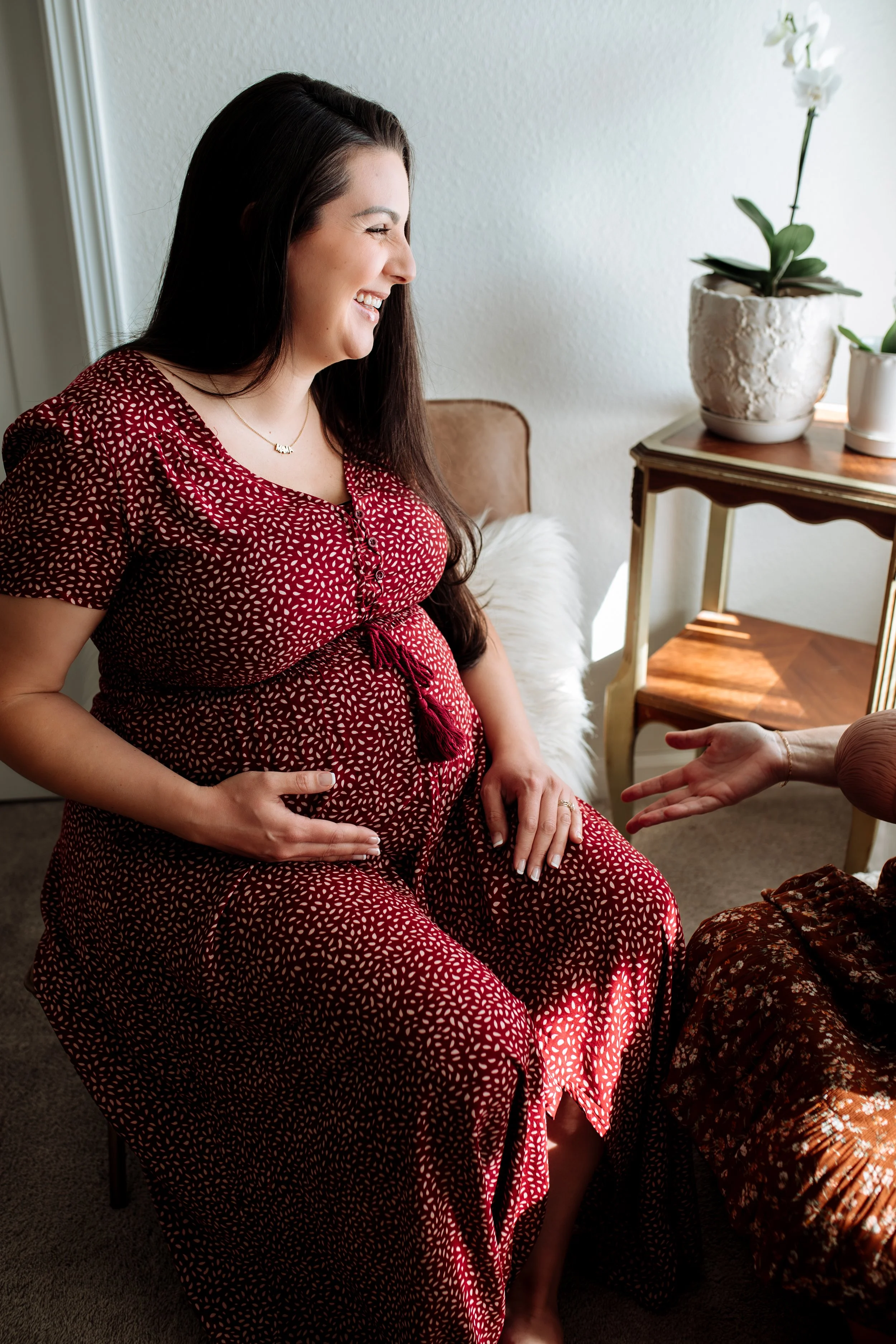
Why Prenatal Breastfeeding Education Might Be the Best Thing You Do Before Baby Arrives
You spend months preparing for birth.
The nursery slowly comes together.
Tiny outfits are folded with an amount of care you'll probably never give your own laundry again.
You carefully compare car seats, looking for one that's as safe and thoughtfully made as possible—because somehow "What chemicals are in this fabric?" became a perfectly normal Tuesday afternoon question.
Your nursing station? Beautifully organized.
Your hospital bag? Packed three different times.
But breastfeeding?
Somewhere along the way, many mothers hear the same well-meaning phrase:
"It's natural. You'll figure it out.” Or “Your nipples will toughen up and it won’t hurt anymore.”
And while breastfeeding is biologically normal, that doesn't mean it always feels natural in those first few days.
In reality, breastfeeding is something both you and your baby learn together. Like any new relationship, it takes time, patience, and a little guidance.
That's exactly why prenatal breastfeeding education matters.
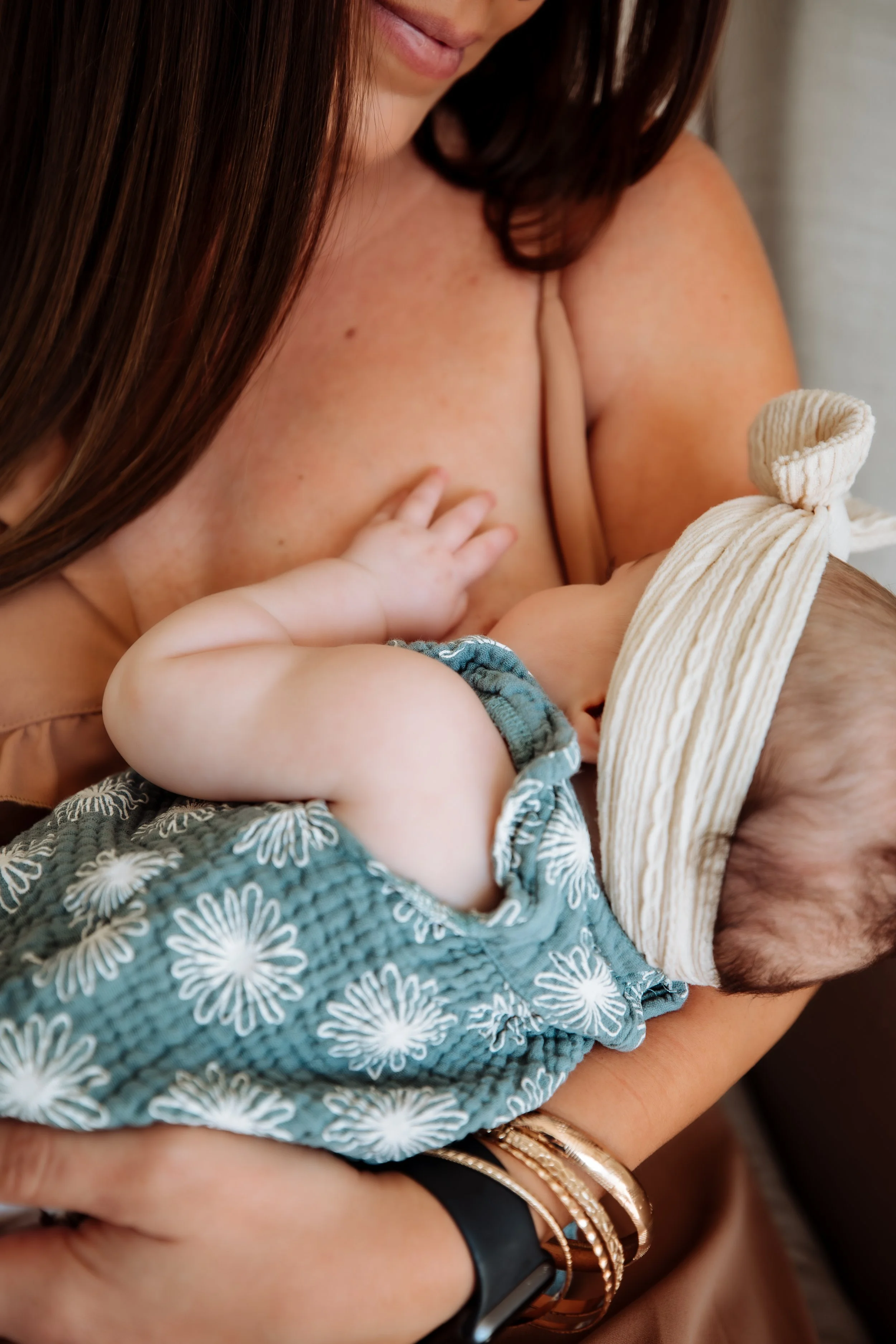
Feeding on Demand vs. Feeding on a Schedule: What Does Your Baby Actually Need?
One of the first questions many new parents ask is:
“How often should my baby eat?”
And usually right behind that question comes another:
“Should I be feeding on a schedule?”
If you’ve ever looked at the clock wondering whether it’s “too soon” to feed your baby again, you are far from alone.
Let’s gently walk through what we know about feeding on demand, where schedules can sometimes become stressful, and why your baby is not trying to make your life difficult by wanting to eat again 47 minutes later.
(Truly. Even if it feels personal at 2 a.m.)
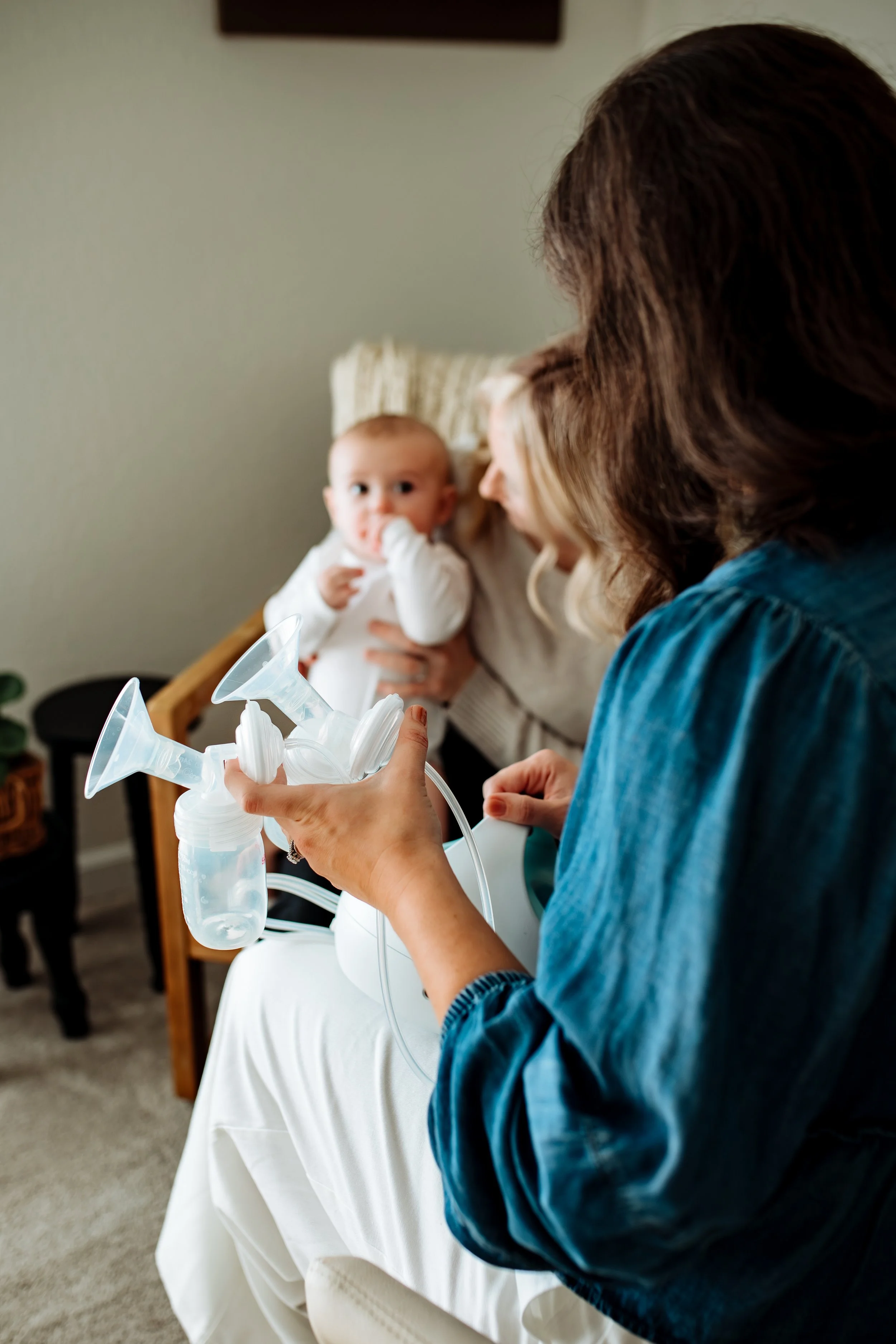
Do You Really Need a Freezer Stash? Let’s Gently Rethink the Pressure
At some point—usually during a late-night scroll or a well-meaning conversation—you might see it:
Freezers packed with neatly labeled bags of milk.
Rows and rows of what looks like “prepared,” “secure,” “doing it right.”
And then the question quietly creeps in: “Should I be doing that too?”
Let’s take a breath together and say this clearly:
You do not need a large freezer stash to successfully breastfeed your baby.
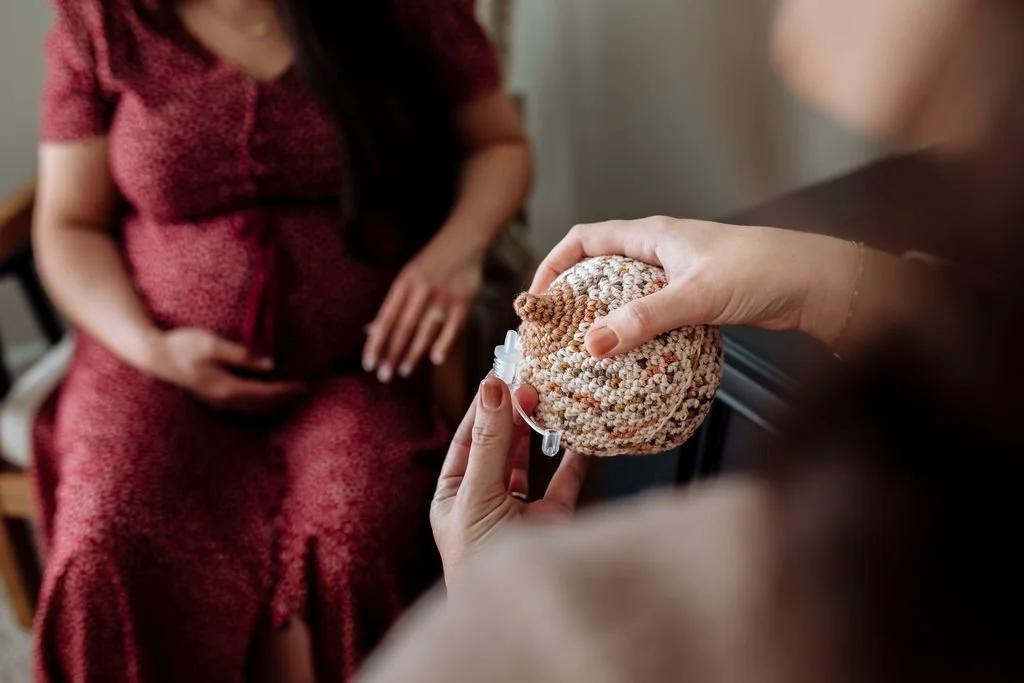
Colostrum: Tiny Drops, Powerful Protection
In those first hours after birth, something incredible is happening.
Your body is making colostrum — often called “liquid gold.”
Not because of the color (though yes, it can be beautifully golden)… but because of what it does.
And here’s something many mothers don’t hear enough: Those tiny drops are not small. They are powerful.
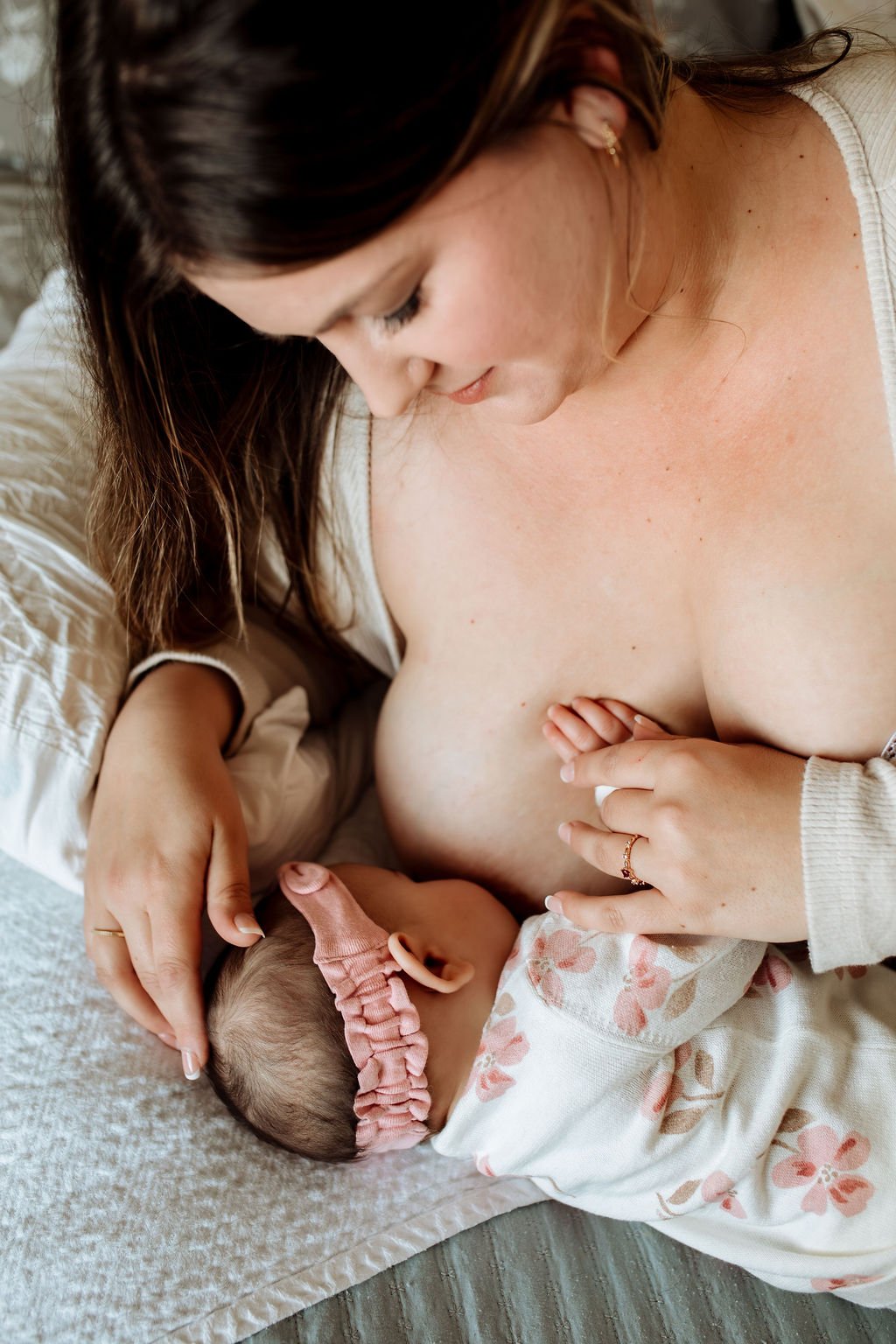
Does Breast Size Affect Milk Supply? Let’s Talk About What Really Matters
It’s one of the most common (and very understandable) questions I hear from mothers:
“Do I have enough milk… or are my breasts too small?”
Or sometimes, “They feel so full — does that mean I have a strong supply?”
If this has crossed your mind, you’re not alone. Let’s gently clear the noise and come back to what’s actually true.
You’re Not Doing It Wrong: A Gentle Space for the Overwhelmed Mama
If you’ve found your way here, there’s a good chance you’re tired. Maybe you’re up at 2 a.m., searching things like “why is breastfeeding so hard?” or “is this normal for a newborn?”
Maybe you’re wondering if your baby is getting enough milk… or why something that’s supposed to be “natural” feels anything but.
Let me say this first, clearly and without hesitation: You are not doing it wrong.